Fall Home Maintenance Checklist for Lake Oswego Homeowners


Lake Oswego · Community Photo
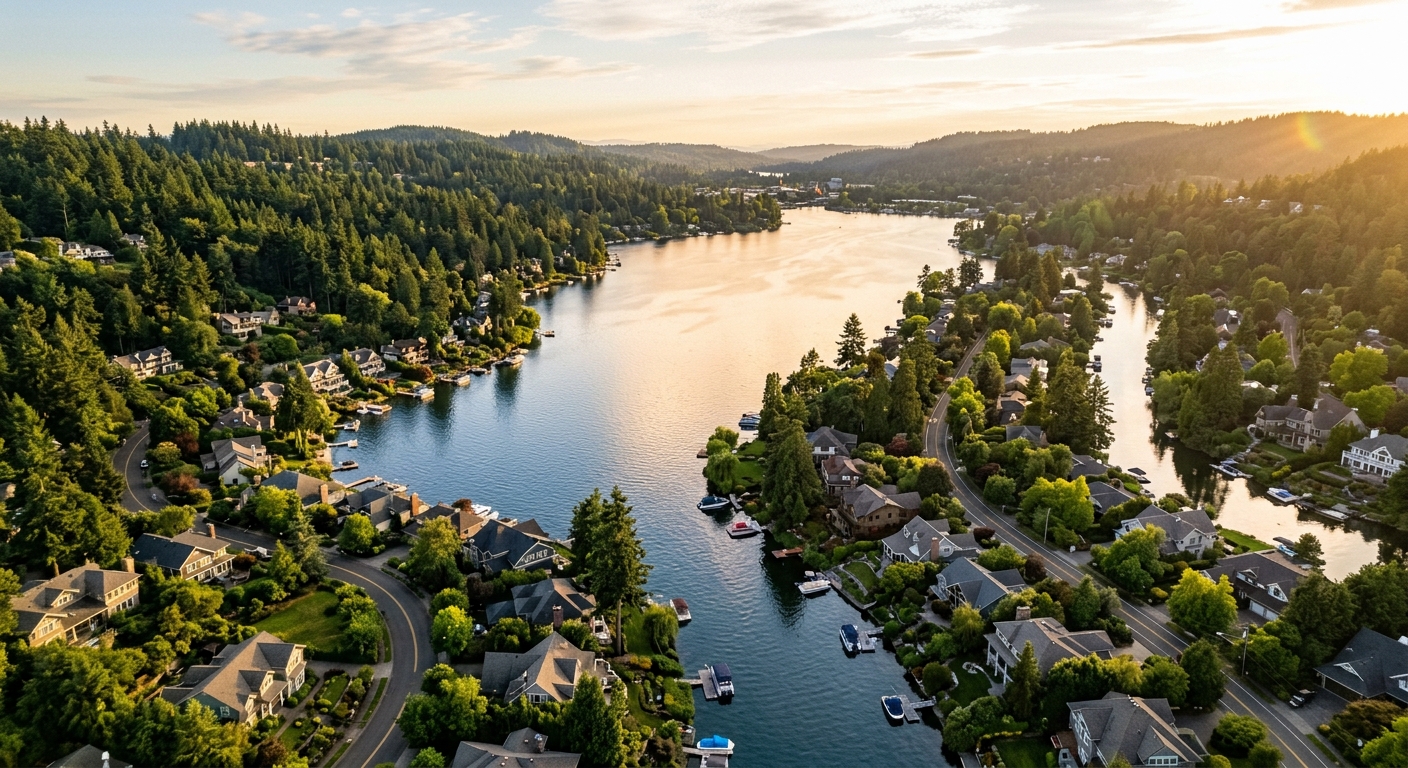
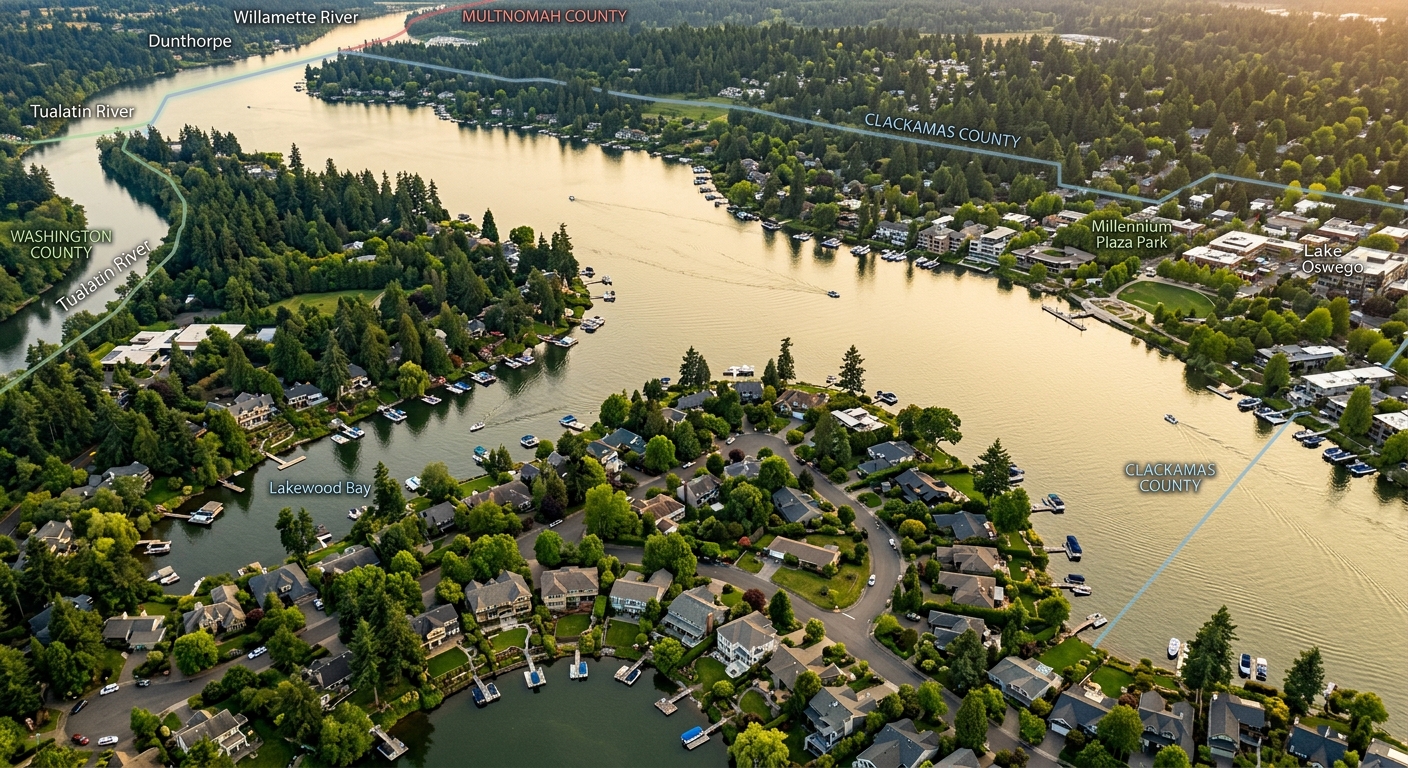
Few communities showcase fall color quite like Lake Oswego, where oak- and maple-lined streets around the lake put on a show every October. That same canopy means a bit more seasonal upkeep before the Willamette Valley's rainy months settle in.
Outdoor Prep Before the Rain Sets In
With so many mature trees throughout Lake Oswego, gutters fill quickly once leaves start dropping, and clearing them before the rains intensify prevents backups that can damage fascia and foundations. A roof inspection is well worth the effort in a region prone to moss and prolonged moisture. Trimming branches back from the roofline ahead of winter windstorms and clearing yard debris rounds out the outdoor list.
Getting the Inside Ready
An HVAC system that has been quiet all summer should get a professional look before it's running daily through a Lake Oswego winter, catching small issues before they become costly ones. Fresh weatherstripping around doors and windows helps keep the Willamette Valley's damp chill outside where it belongs, and a new furnace filter before the season starts keeps the system working efficiently rather than straining.
Safety Checks Worth the Ten Minutes
Testing smoke detectors and carbon monoxide alarms and replacing their batteries takes only a few minutes but matters most once furnaces and space heaters are back in daily use. Homes with a wood-burning fireplace should have the chimney swept and the flue inspected before the season's first fire.
Why Fall Upkeep Protects Home Value
Lake Oswego's desirability is closely tied to how well its homes are kept up, and buyers notice the difference between a house with clear gutters and a serviced furnace and one that's been neglected through the wet season. A little fall attention protects both daily comfort and long-term resale value.
Find more home care guides on Discover Lake Oswego. Getting ready to sell before winter? Connect with Friederike Svensson for a pre-listing checklist.
Source: energy.gov, nfpa.org